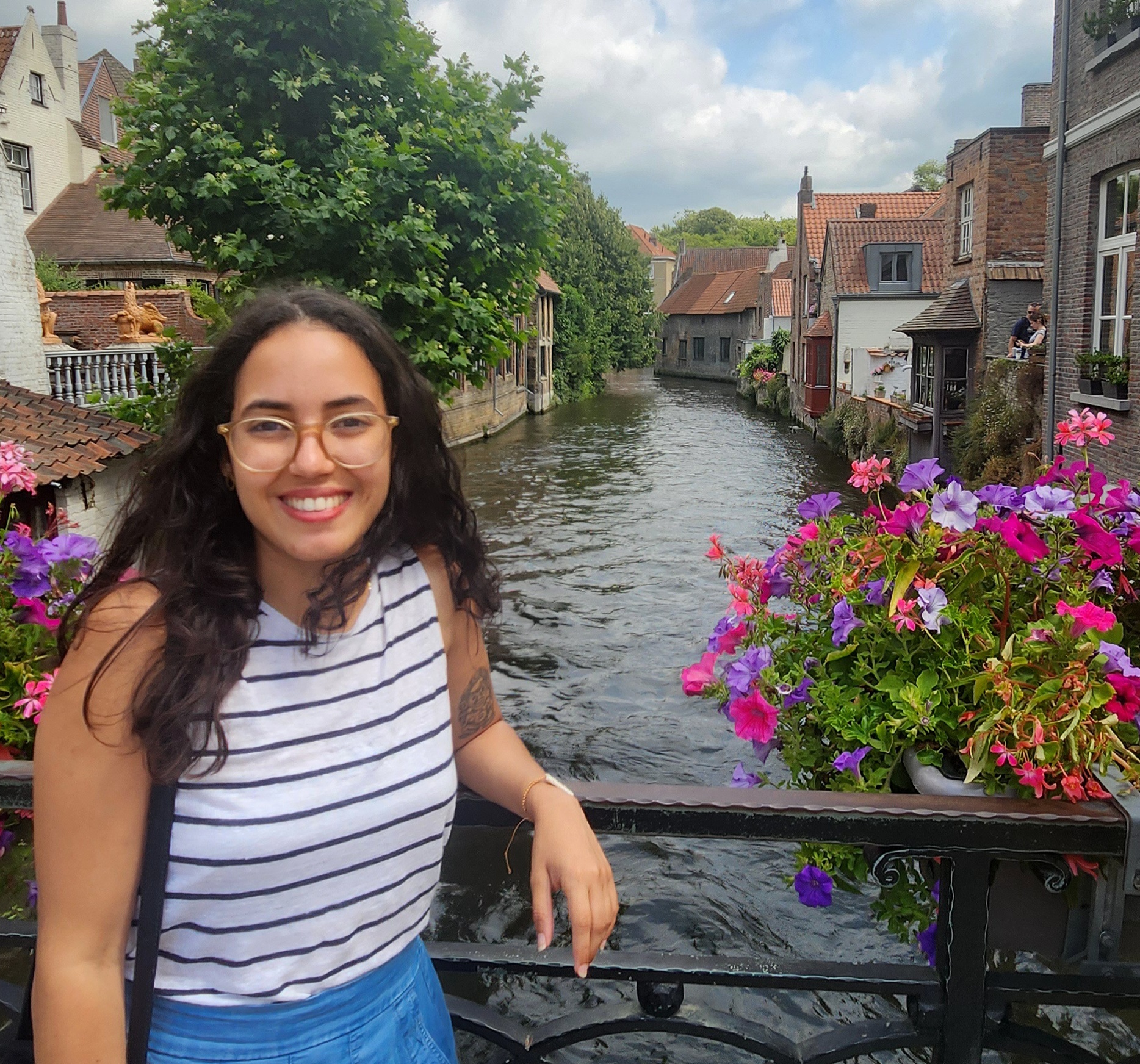
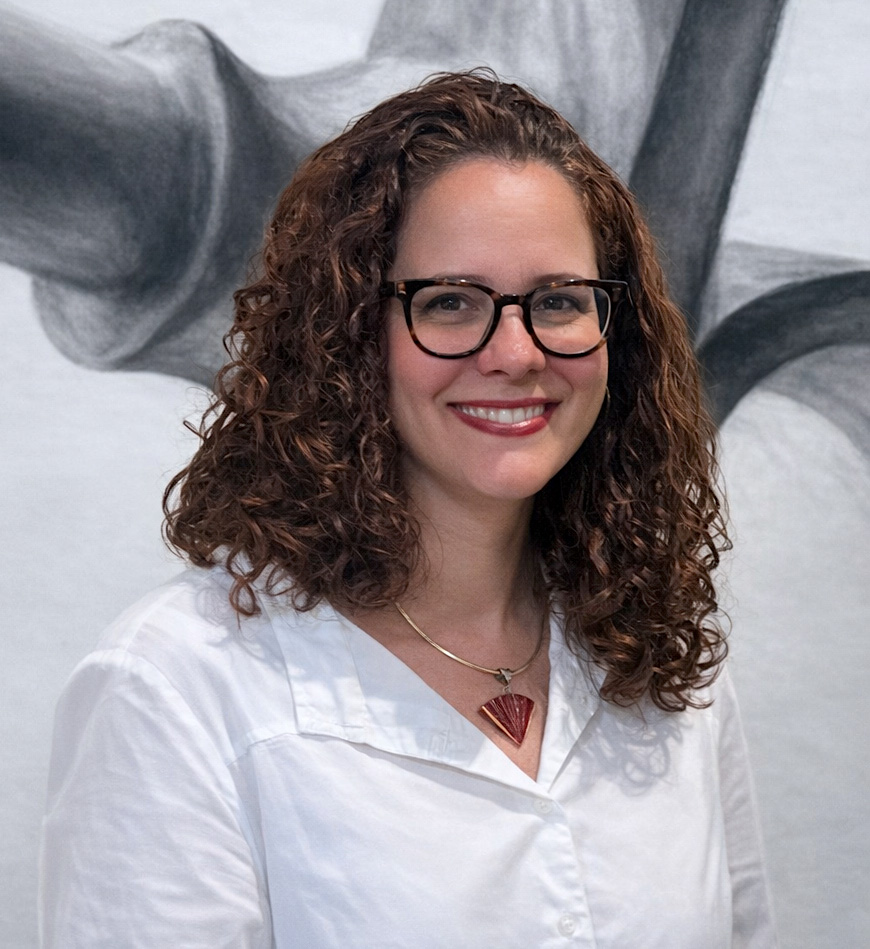
Karla Ochoa Verdecia is a PhD student in the Department of Art History at the School of Arts and Sciences, University of Pennsylvania, where she is a Dorothy Gondos-Beers Memorial Graduate Fellow (2025–2026). Her doctoral research examines how the inclusion of Cuban art in public and private collections in the United States reconfigures—and complicates—the American art canon between 2000 and 2025, addressing the dialectical relationship between Cuban diaspora production and its collecting practices in the country. She earned her bachelor’s degree in Art History from the University of Havana, with the thesis, “Cinema, Animation, and the New Man: An Investigation into the Construction of Collective Imaginaries in Post-Revolutionary Cuba.” She was an instructor in the Department of Art History at the same university between 2018 and 2022, where she taught courses in audiovisual criticism and media history, and collaborated with the research groups “Social Imaginaries” and “Cuban Art Market.”
Concurrently, she developed a solid curatorial career. She participated in the 12th and 13th Havana Biennials, organized exhibitions, and panel discussions on contemporary Cuban art at the Maxima Gallery—with figures such as Manuel Mendive, Eduardo Roca Choco, and Douglas Pérez Castro—and worked with private collections of Cuban art in Havana. She was a critic and editor for Artecubano magazine for five years and presented her research at the 2022 LASA Congress. Subsequently, she joined the Alba Cabrera Gallery in Valencia as a senior curator, where she organized exhibitions and promoted the gallery’s presence at international art fairs such as Art Madrid and LAAF.
During her research fellowship at El Espacio 23, Ochoa is interested in delving deeper into the distribution and acquisition of Cuban art by top-tier institutions and private collections, and their dialectical relationship. She analyze the curatorial framework and collecting practices of The Jorge M. Pérez Collection from an academic perspective, examining its connections to public institutions and its repercussions for artists and museums in Miami and across the United States. Their research aims to open a window for future scholarly intervention in this gap, considering the collection as a launchpad for underrepresented artists into top-tier institutions that both enrich and potentially reshape the American art canon.




Sorry, the comment form is closed at this time.